
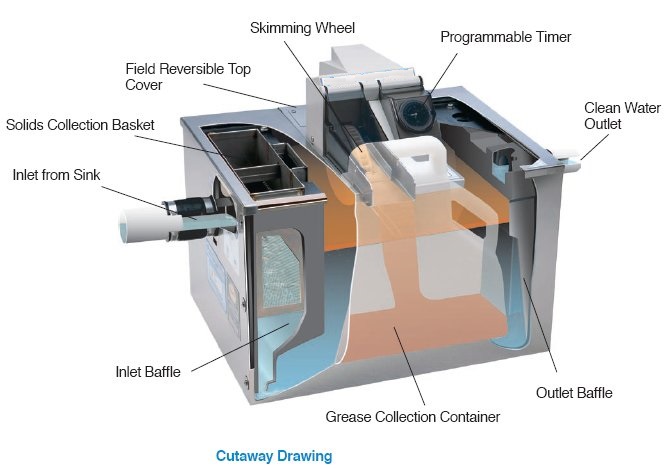
Mechanical grease trap
Actively removes grease via a skimming wheel that deposits waste oils into an external container. Daily cleaning, monthly desludging, annual maintenance.
A joint effort between WSC and commercial entities to control the levels of contaminants entering the sewer system — through permitting, inspections, monitoring and enforcement of the National Sewer Discharge Control Regulations (S.L. 545.08).
Households are expected to observe the legislation pertaining to discharges into the sewer (S.L. 545.08), as stipulated in the WSC Customer Contract. Keeping the public sewer network in good working condition is what allows it to keep serving the Maltese public.
Did you know? WSC spends about €3 million per year clearing blockages and cleaning wastewater pumping stations.
WSC forms part of the Planning Authority's consultation process. If you require a clearance for a residential PA permit or compliance certificate, send a formal request — including site plan and internal sewer/stormwater plans — to:
The DPU determines whether a business needs a Public Sewer Discharge Permit by considering flow, wastewater characteristics, type of process and applicable regulations.
Actively removes grease via a skimming wheel that deposits waste oils into an external container. Daily cleaning, monthly desludging, annual maintenance.
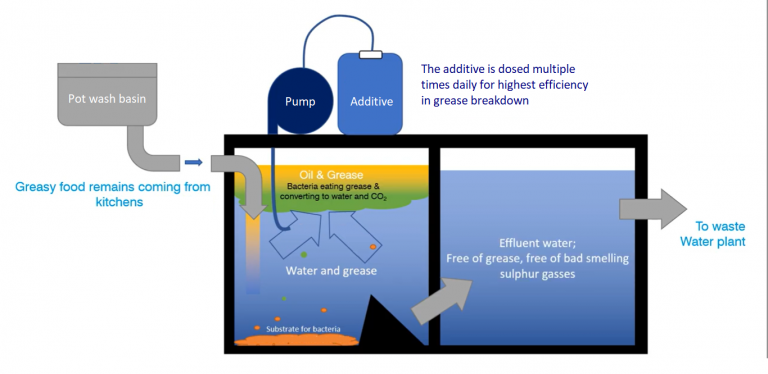
Uses biological agents to degrade fats and greases. Requires daily basket cleaning, monthly desludging, periodic dosing of additive.
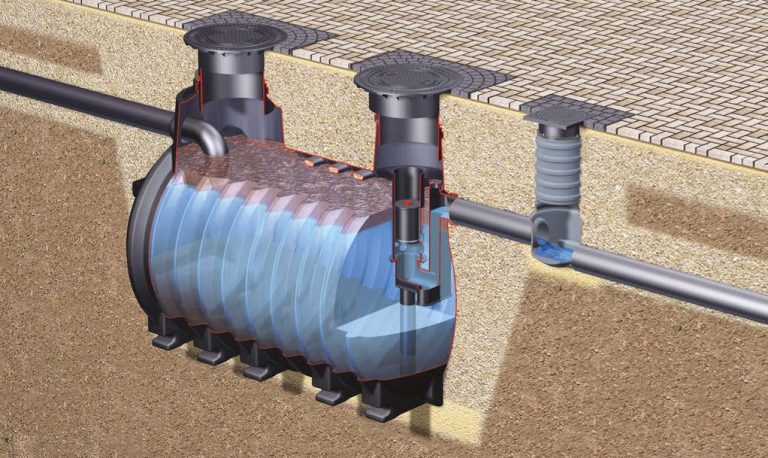
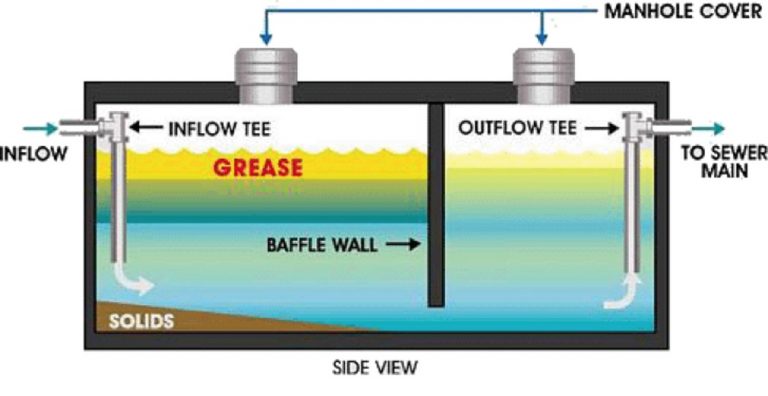
Lighter oil rises, heavier sludge settles, clean water flows out. Mandatory for fuel stations, car washes and similar.
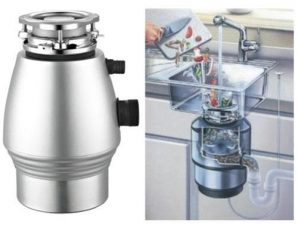
Push avoidable solids straight into the sewer.
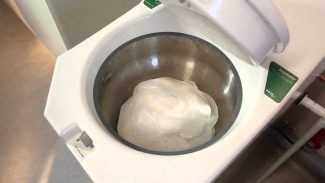
For bed pads, nappies and similar — strictly prohibited.
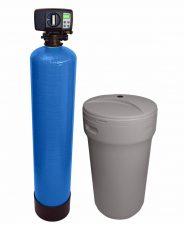
Unless regeneration reject water is discharged to sea.
Fill in the application form and pay the €11.65 fee (new applications and amendments). Renewals are free of charge but should be sent at least one month before expiry. We'll request site plans, internal drains, MSDS and any operational permits, plus an analysis of the trade effluent.
RTIPs are the officially authorised points of discharge to the public sewerage system for liquid waste carriers. There are currently three official RTIPs in Malta: Ta' Qali, Żejtun and Gudja.
Only mobile containers registered with the Environment and Resource Authority (under S.L. 549.45) may discharge. Unregistered vehicles or containers are not permitted.

For questions about discharge of wastewaters into sewer, contact the Discharge Permit Unit: