
Container
Pour cooled oil into a heat-resistant jar or bottle. Recycle or bin once it's cooled.
Fats, oils and grease — FOGs for short — cause major problems in pipes, drains and sewers. They congeal, harden, and combine with bathroom waste to form fatbergs.
Sewers clogged with fat stop wastewater from reaching treatment works. The result: untreated sewage ending up on our beaches and in our seas.
Even leftover Christmas-dinner fat — washed down with hot water and detergent — sets hard the moment it hits the cold pipes. Mixed with wet wipes and sanitary products, it becomes the basis of a fatberg.
During heavy rainfall, sewer overflows can spill untreated sewage into the streets and the sea — bad news for the environment, wildlife, and anyone who wants to enjoy a swim.
Pour cooled oil into a heat-resistant jar or bottle. Recycle or bin once it's cooled.
Wipe out greasy pans with kitchen roll before washing them.
Catch greasy food scraps in a sink strainer so they never reach the plughole.
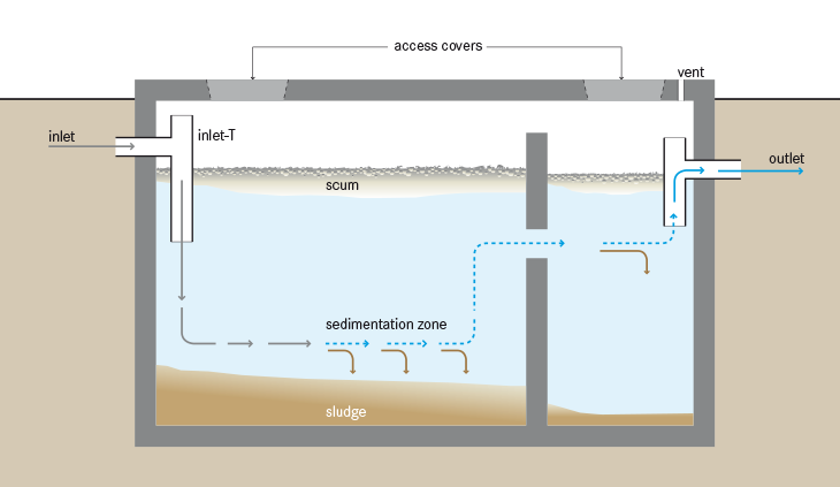
Cold pipes turn warm fat solid in minutes. As waste flows through, the fat catches wipes, hair and food scraps, building a sticky mass that grows until water can no longer get past.
Once it's blocking the line, sewage backs up — usually into the lowest fixture in the home, often someone else's home further down the street, and ultimately into the sea.